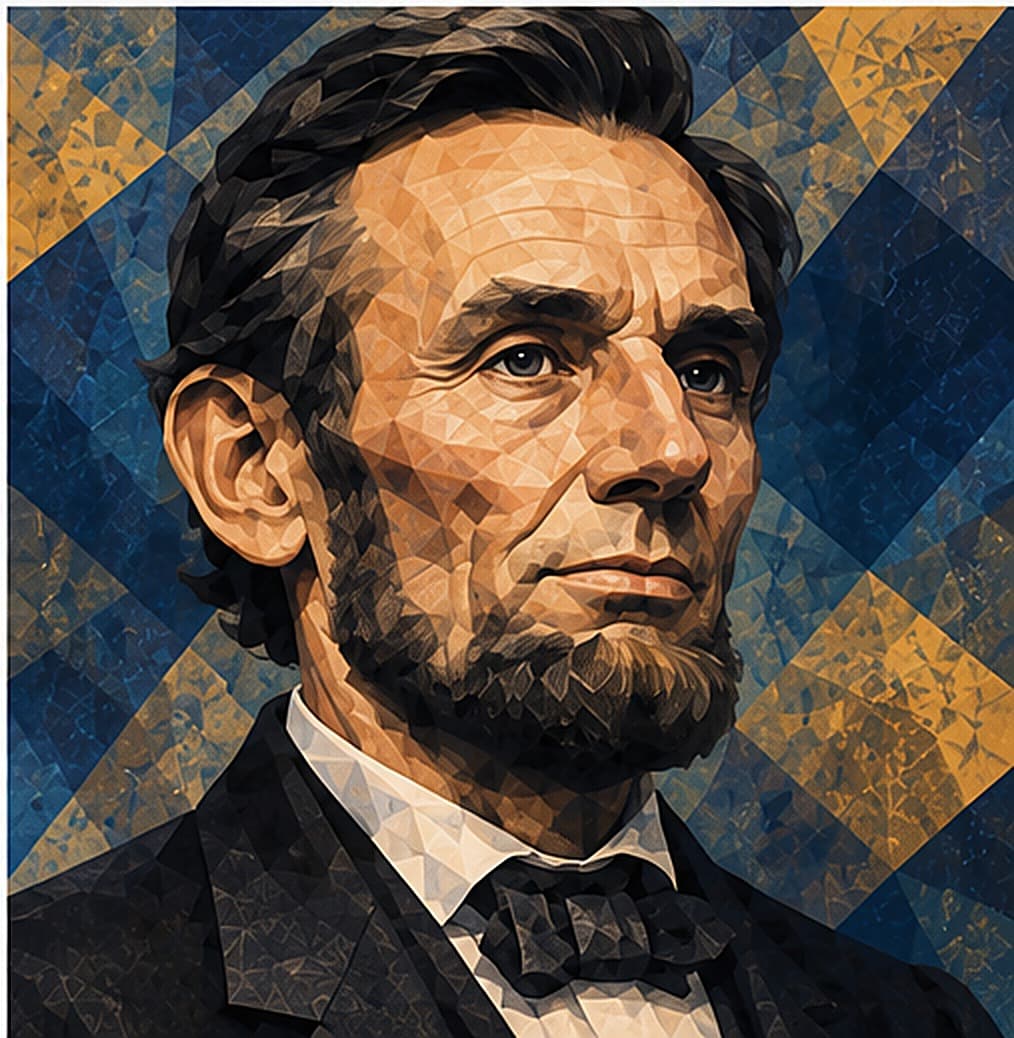
The Story
Abraham Lincoln did not move through public life in a straight line. He lost important elections, endured periods of profound melancholy, and spent years building a reputation through law, debate, and public argument. His defeat in the 1858 Senate race did not end his political future; the debates helped make his ideas known nationally.
When Lincoln became president in 1861, seven Southern states had already declared secession. The crisis expanded into civil war. Every decision carried human cost. He replaced generals, faced criticism from nearly every direction, and tried to preserve constitutional government while the country fought over its survival and the future of slavery.
Lincoln's position on slavery developed over time. He moved from opposing its expansion to issuing the Emancipation Proclamation and supporting the Thirteenth Amendment. That growth matters.
Reelspiration should not flatten him into a flawless hero; it should show a leader learning under pressure and accepting that preserving the Union increasingly required confronting slavery directly. Lincoln did not live to guide Reconstruction.
But his persistence through defeat, grief, war, and moral complexity helped preserve the United States and place abolition into the nation's constitutional future. His story reminds us that leadership is not proved by avoiding doubt. It is proved by continuing to think, decide, and grow when the stakes become larger than the leader.
The Decision
He decided to remain responsible for the whole nation, even when nearly every available choice carried loss.
The Reelspiration
A setback does not disqualify you from future leadership. Persistence matters most when it is joined by the willingness to grow.
The Principle
Resilience without reflection can repeat old errors; resilient leadership keeps learning under pressure.
Your Next Step
Revisit one belief or plan that recent evidence has challenged. Improve it instead of defending it automatically.