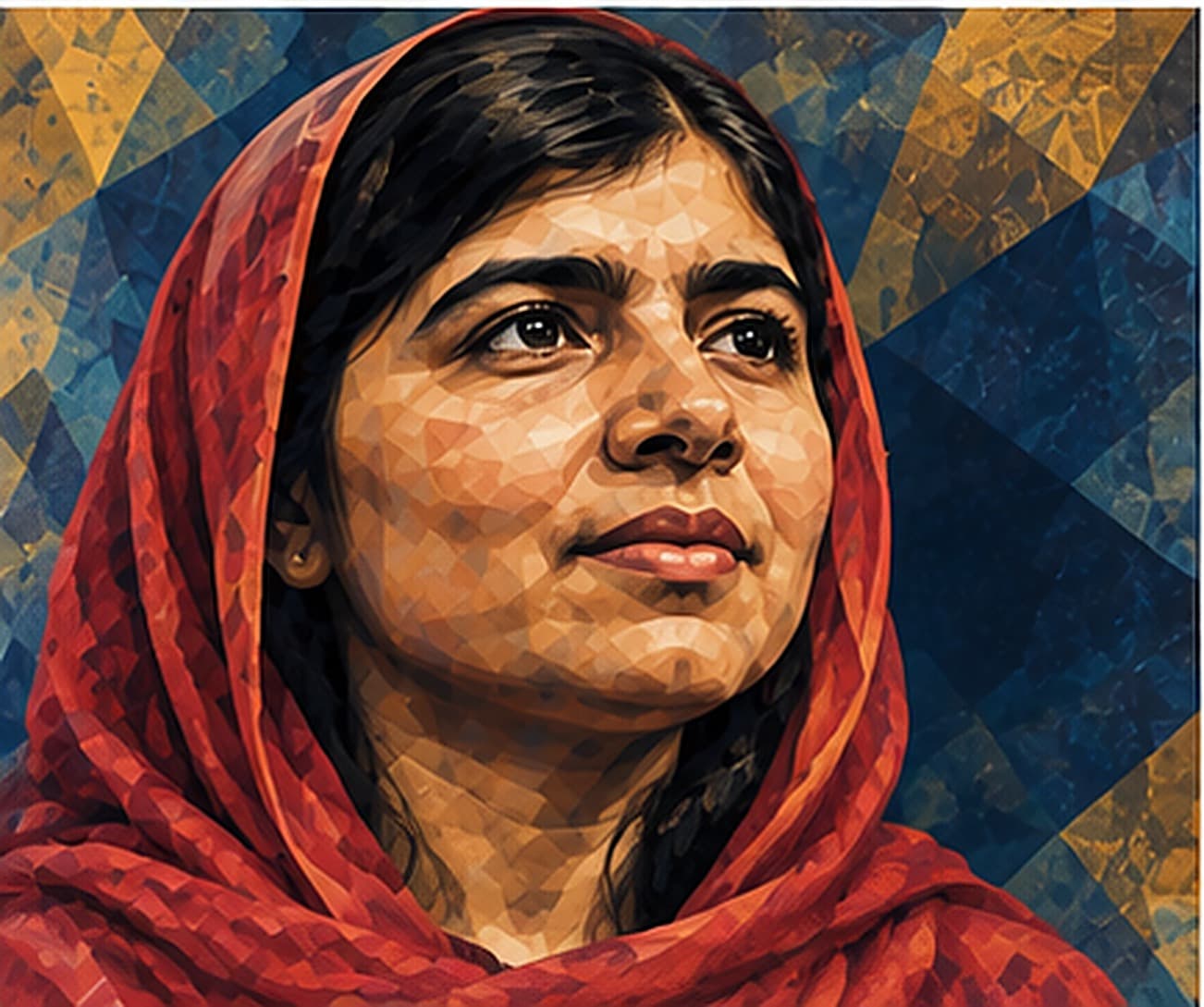
The Story
Growing up in Pakistan's Swat Valley, Malala Yousafzai spoke publicly and wrote about the right of girls to attend school as the Taliban imposed restrictions and destroyed schools. In October 2012, a gunman boarded her school bus and shot her. Emergency treatment in Pakistan and specialized care in the United Kingdom saved her life.
Recovery included surgeries, rehabilitation, and adapting to lasting effects. The world's attention turned toward her, but international fame did not erase the trauma, displacement, or danger surrounding her family. Malala continued advocating for education and co-founded Malala Fund. She became the youngest Nobel Peace Prize laureate.
The lesson is not that surviving violence automatically makes someone stronger. It is that an attempt to silence one voice can fail when the person, community, and institutions around that voice help it continue.
The Decision
She decided that the attack would not be allowed to define the limits of her advocacy.
The Reelspiration
What was meant to silence you does not automatically own the next sentence.
The Principle
Recovery can restore agency: not the obligation to speak, but the right to decide whether and how to continue.
Your Next Step
Write the next honest sentence about something fear has made you avoid saying.