The Story
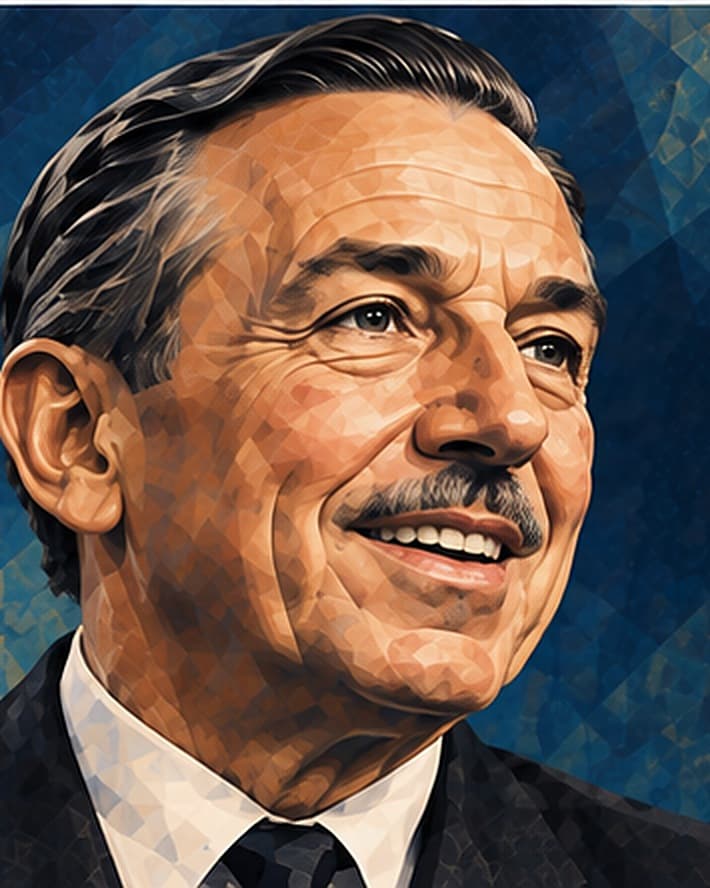
Long before Walt Disney became associated with castles, theme parks, and beloved characters, he ran a small animation company in Kansas City called Laugh-O-Gram Films. The studio had ideas and ambition, but not a durable business model. It went bankrupt. Disney left for California and started again with his brother Roy.
Their new studio found early momentum through animated shorts and a character named Oswald the Lucky Rabbit. Then Disney learned that the distributor controlled the rights to Oswald and had recruited away much of his animation staff. He returned from the meeting without the character that had helped make the studio viable.
The setback was more than financial. It exposed a structural weakness: Disney had created value he did not control. The response was not to copy what had been taken. Disney and his remaining collaborators developed a new character.
Mickey Mouse became the symbol of the studio, while synchronized sound in "Steamboat Willie" helped distinguish the work in a changing entertainment market. Disney kept taking risks.
Feature-length animation was considered commercially dangerous before "Snow White and the Seven Dwarfs." Disneyland was doubted by many people who could not see why an animation studio should build a physical destination. The pattern repeated: an idea looked unreasonable until execution made it obvious.
The inspirational point is not that every dream survives in its original form. Laugh-O-Gram did not survive. Oswald was lost for decades. The first plan was not rescued. Instead, Disney carried forward the imagination, learned from the ownership mistake, and created a stronger foundation.
The Reelspiration
Losing your first dream may teach you how to build the one no one can take from you.
The Principle
Failure becomes valuable when the next system is designed around the lesson.
Your Next Step
Identify one dependency in your current plan that could take away the value you create.