The Story
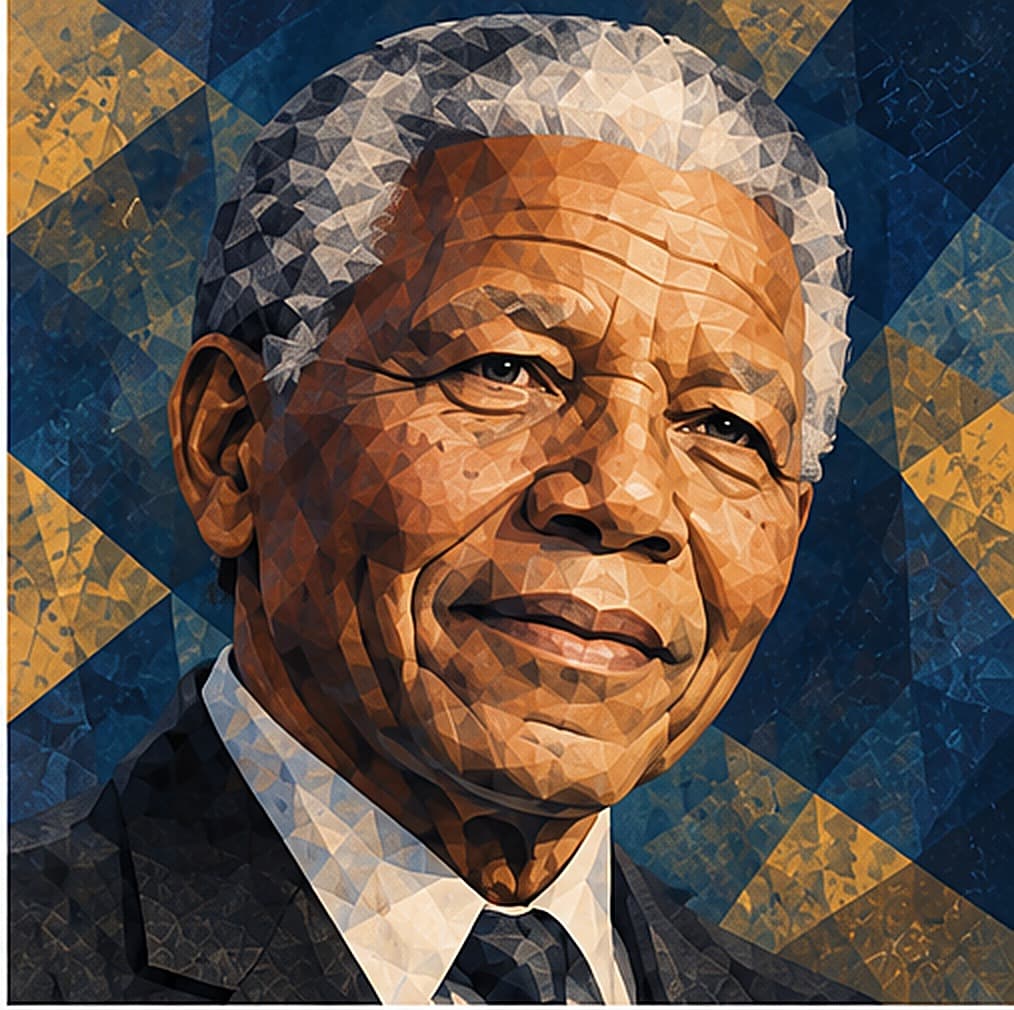
Nelson Mandela joined the struggle against South Africa's apartheid system, which enforced white minority rule through law and violence. After peaceful resistance was met with repression, he helped establish an armed wing of the African National Congress. Arrested and convicted at the Rivonia Trial, he was sentenced to life imprisonment.
Mandela spent twenty-seven years imprisoned, much of it on Robben Island. Prison did not remove the political conflict outside. It also did not turn him into a passive saint. He remained a strategist, studied his opponents, and became part of secret contacts that eventually opened negotiations.
When released in 1990, Mandela did not abandon justice. He continued demanding democratic rule while negotiating with President F. W. de Klerk and confronting violence from multiple directions. In 1994, South Africa held its first fully democratic national election, and Mandela became president.
Reconciliation did not solve inequality, erase the past, or remove controversy from Mandela's record. Its inspiration lies in a disciplined choice: he used power to widen participation rather than narrow it around vengeance. Forgiveness, in this context, was not forgetting. It was refusing to let the future be designed only by the injuries of the past.
The Decision
He decided to negotiate a democratic transition rather than use his authority to build a politics centered only on revenge.
The Reelspiration
Forgiveness does not erase injustice. At its strongest, it refuses to let injustice design the future.
The Principle
Reconciliation is meaningful only when joined to truth, power-sharing, and structural change.
Your Next Step
Separate accountability from retaliation in one conflict. Decide what repair would actually improve the future.