The Story
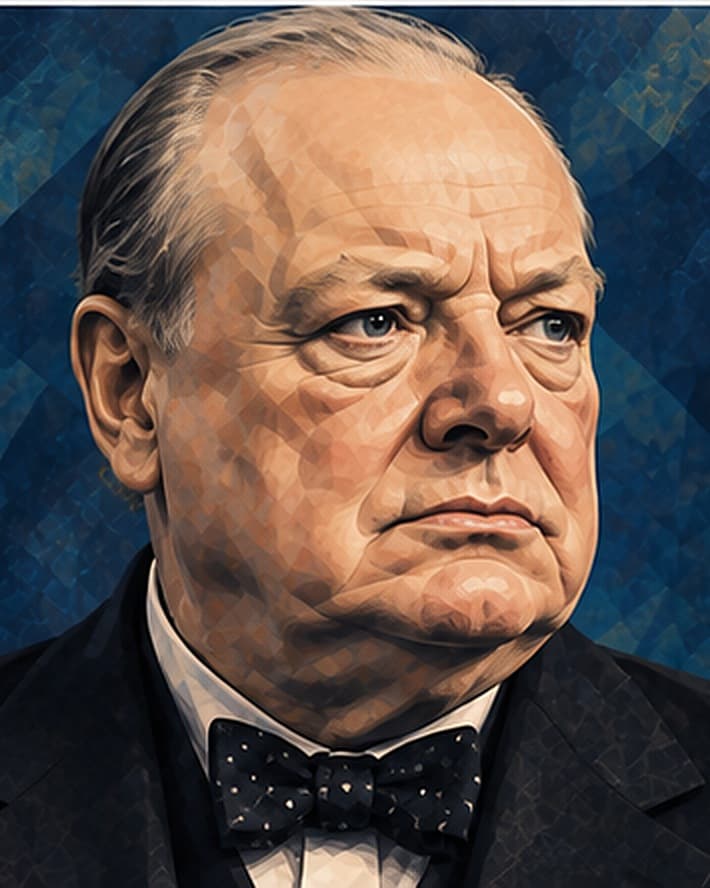
Winston Churchill's career included influence, controversy, serious errors, and long periods outside power. By the late 1930s, his warnings about Nazi Germany had made him seem isolated to many. In May 1940, as German forces swept through Western Europe, he became prime minister.
Britain faced the evacuation at Dunkirk, the fall of France, and the possibility of invasion. Churchill's speeches did not deny the danger. They named it. He told Parliament and the public that the struggle could be prolonged and costly, while insisting that capitulation was not the only realistic response.
His language helped sustain national morale through the Battle of Britain and the Blitz until Britain was joined by larger Allied power. But historical honesty matters: victory was not Churchill's alone.
It depended on service members and civilians across the British Empire and Commonwealth, resistance movements, the Soviet Union's immense sacrifice, and the industrial and military strength of the United States and other Allies.
Churchill's inspiring 1940 leadership must also be presented alongside his imperial views and policies, some of which caused or deepened suffering. Reelspiration can honor a consequential decision without turning a complicated person into an uncomplicated symbol.
The Decision
He decided Britain would continue resisting Nazi Germany rather than treat negotiation or surrender as unavoidable.
The Reelspiration
Hope is not pretending the danger is small. Sometimes hope is telling the truth—and still refusing to call defeat inevitable.
The Principle
Credible courage names reality clearly and preserves agency inside it.
Your Next Step
Describe your present challenge without exaggerating or minimizing it. Then name the next action that remains available.